 Askpert
Blog
The Askpert blog
Plain-English guides to agent skills and packaged expertise.
45 posts
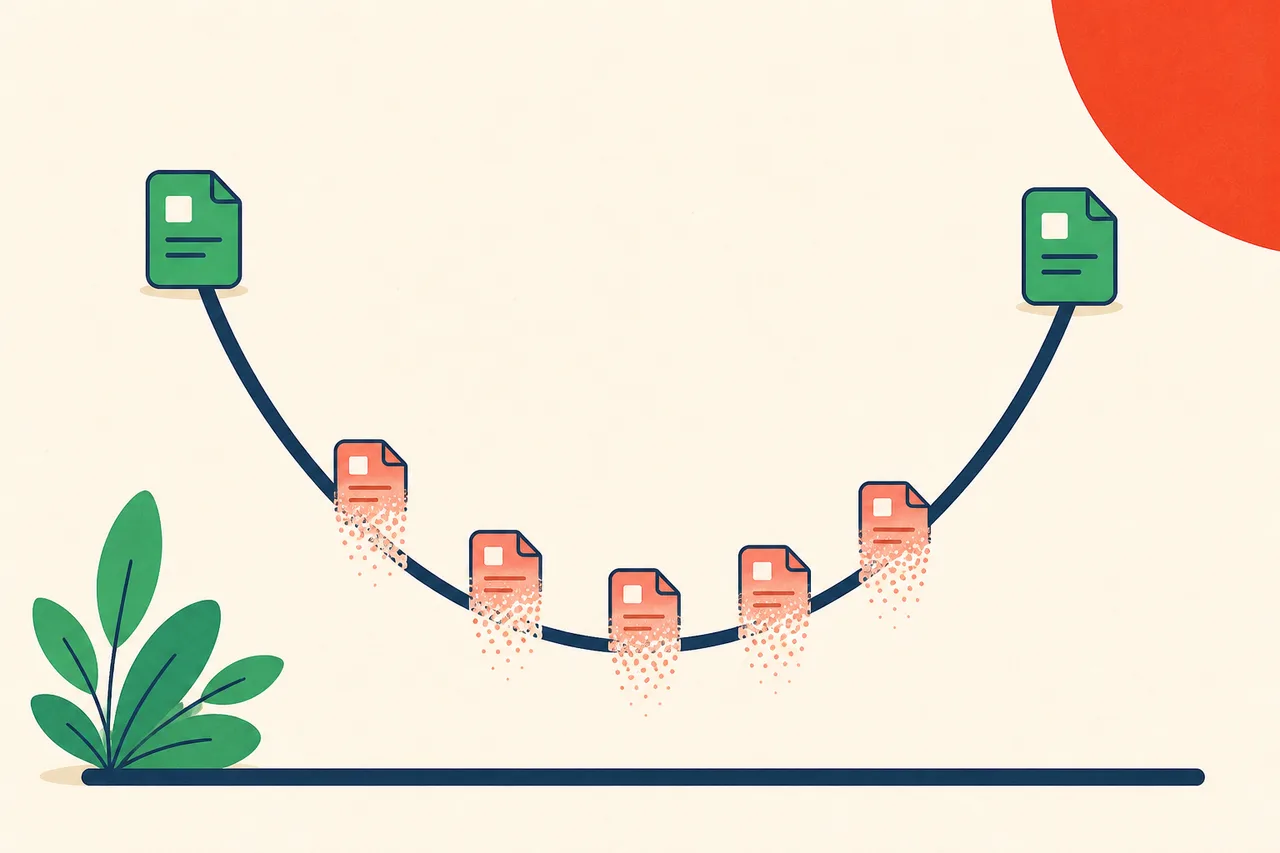
Context Rot: Why a Bigger Context Window Doesn't Fix Your Agent
Context rot is the measured drop in model accuracy as inputs grow. A bigger window does not fix it, because quality decays continuously and position matters as much as presence.

How to Price an AI Service: Four Models and the Floor Rule
Seat, usage, outcome and hybrid pricing for an AI service, with what each one suits and where each breaks. Plus the floor rule: never price below your variable cost per call.

Your LLM Judge Is Grading on Length
LLM judges show measurable position, verbosity and self-preference biases. The evidence for each, and a practical protocol that makes a model-based evaluator usable anyway.

How to Productize Your Expertise Without Giving Away the Method
Productizing consulting is a tradeoff between leverage and leakage. Compare four ways to package expertise and see which ones hand your method to the buyer and which keep it under your control.

Prompt Injection: Your Agent's Tool List Is the Attack Surface
Indirect prompt injection succeeds based on what an agent can reach, not which model it runs. The same model scored 92% attack success in one suite and 0% in another. Here is the containment checklist.

When Not to Build a Multi-Agent System
Multi-agent architectures fail for structural reasons, not weak models. Here is what the research measured across five frameworks, why better prompts only partly help, and the threshold where multiple agents genuinely earn their cost.

Loop Engineering: What It Is, What It Caught, What It Missed
Loop engineering means designing the system that prompts your agent instead of prompting it yourself. Askpert reports from inside the practice: the months-old bug the loop caught at the last stage, and the false premise two adversarial critics let through.
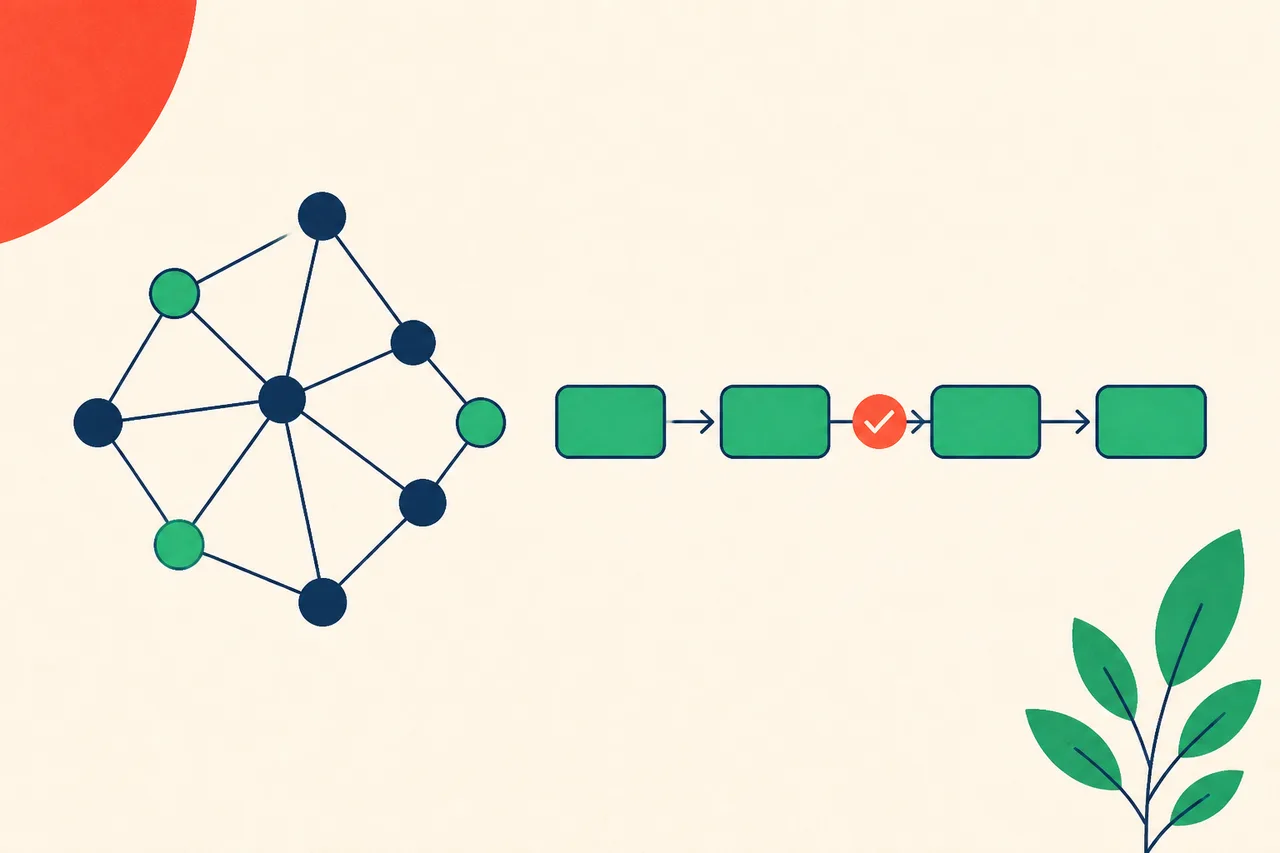
Graph Engineering for Agentic Workflows: A Code Graph for AI Agents
Agents fail from retrieving the wrong context more than from bad reasoning. A code graph gives an agent edges instead of strings, and the same graph thinking exposes where a false premise slips through an agent pipeline.

How to Make an AI Agent Loop Reliable Instead of Just Clever
An AI agent is a loop, and most agent failures are properties of that loop rather than the model. Askpert documents the budgets, the truncation rule and the timeout discipline that keep a runtime from hanging or answering from a severed response.
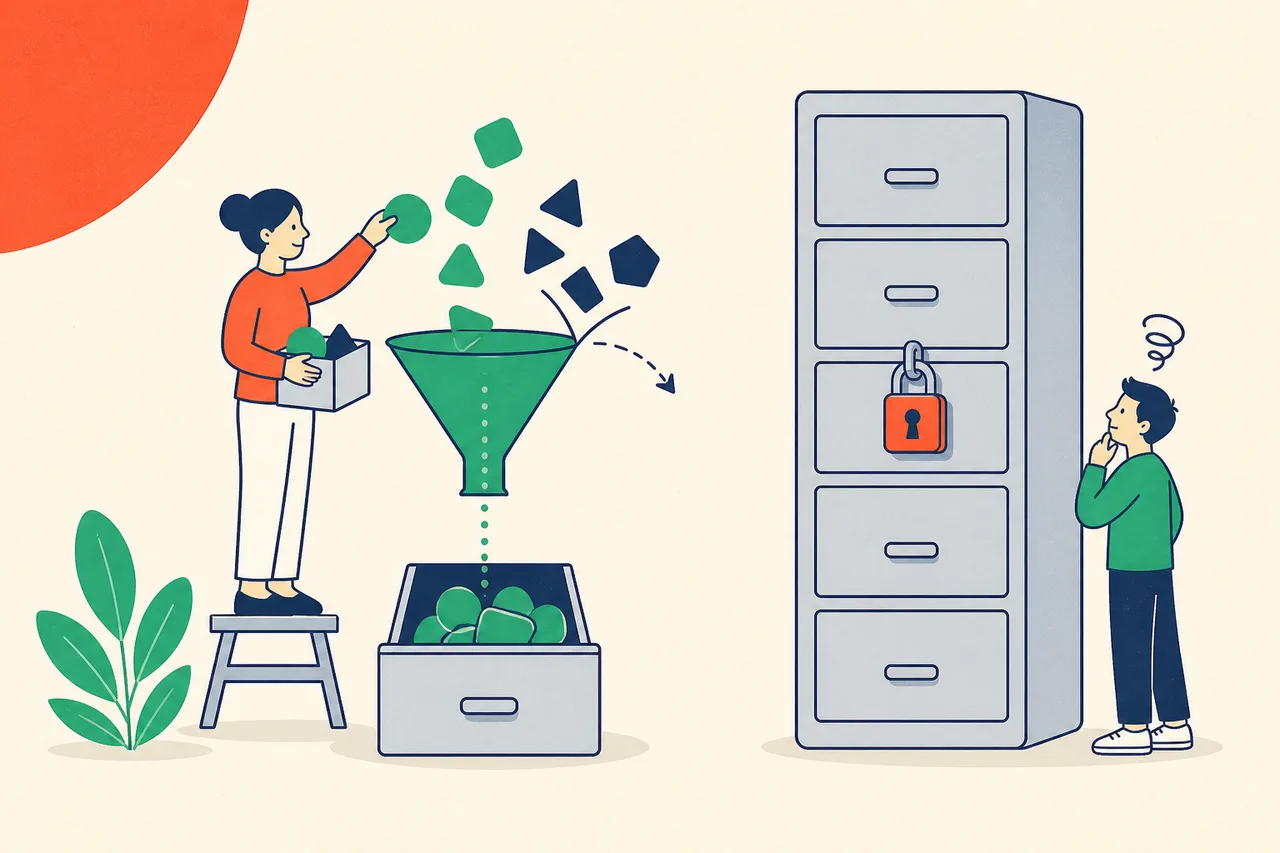
What Is AI Agent Memory? The Design Decisions That Keep It Safe
AI agent memory is a storage and retrieval system wrapped around a stateless model, and four design decisions separate personalization from a privacy incident. Askpert documents what it refuses to store and who it refuses to show.
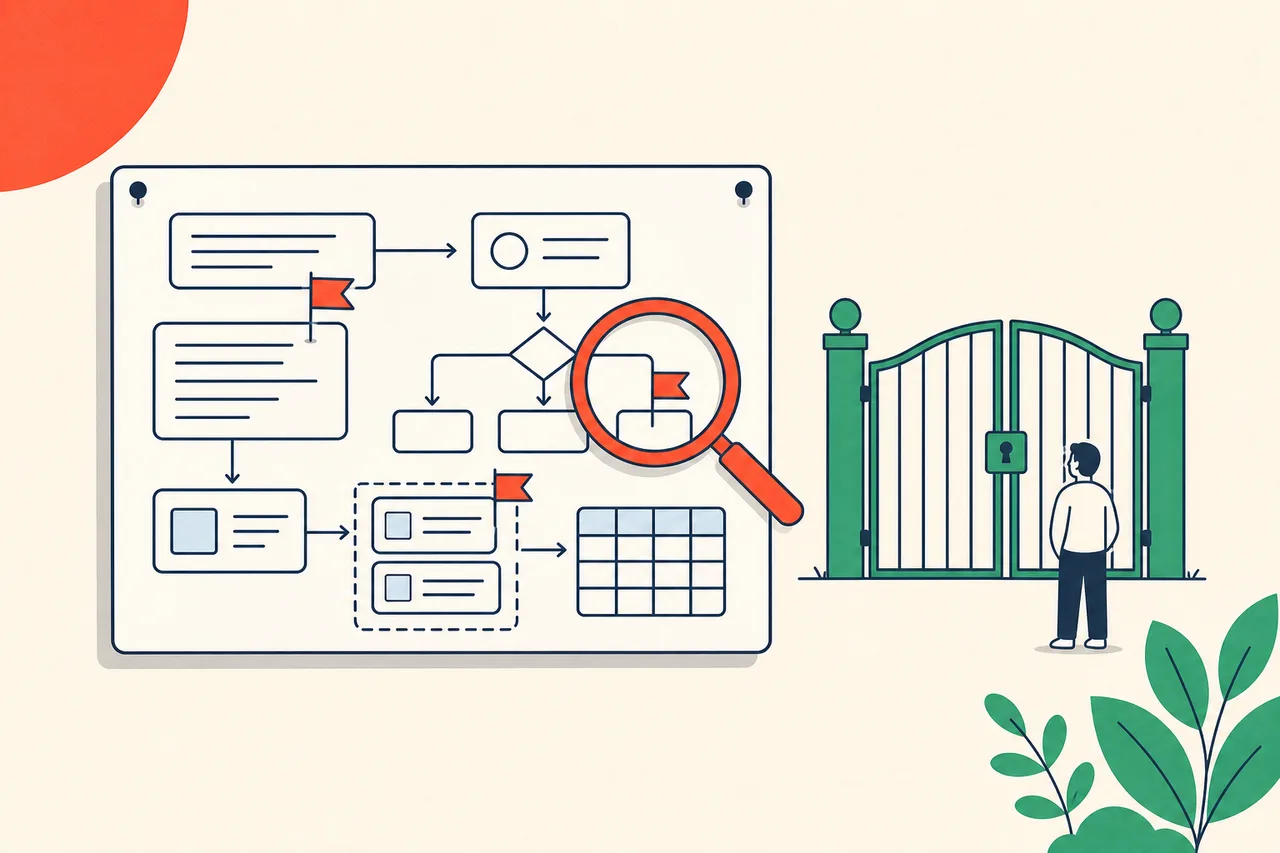
Review the AI Agent's Plan Before It Writes Code
Adversarial plan review catches wrong mechanisms, phantom references and false guarantees before an AI agent writes a line. Askpert documents the pre-code workflow that caught a production bug before code existed.

When to Create a Claude Skill: Six Signals and a Payback Rule
Create a Claude skill when the same task comes back weekly: six signals it is time, the 20-minute payback rule, and when prompting still wins.